
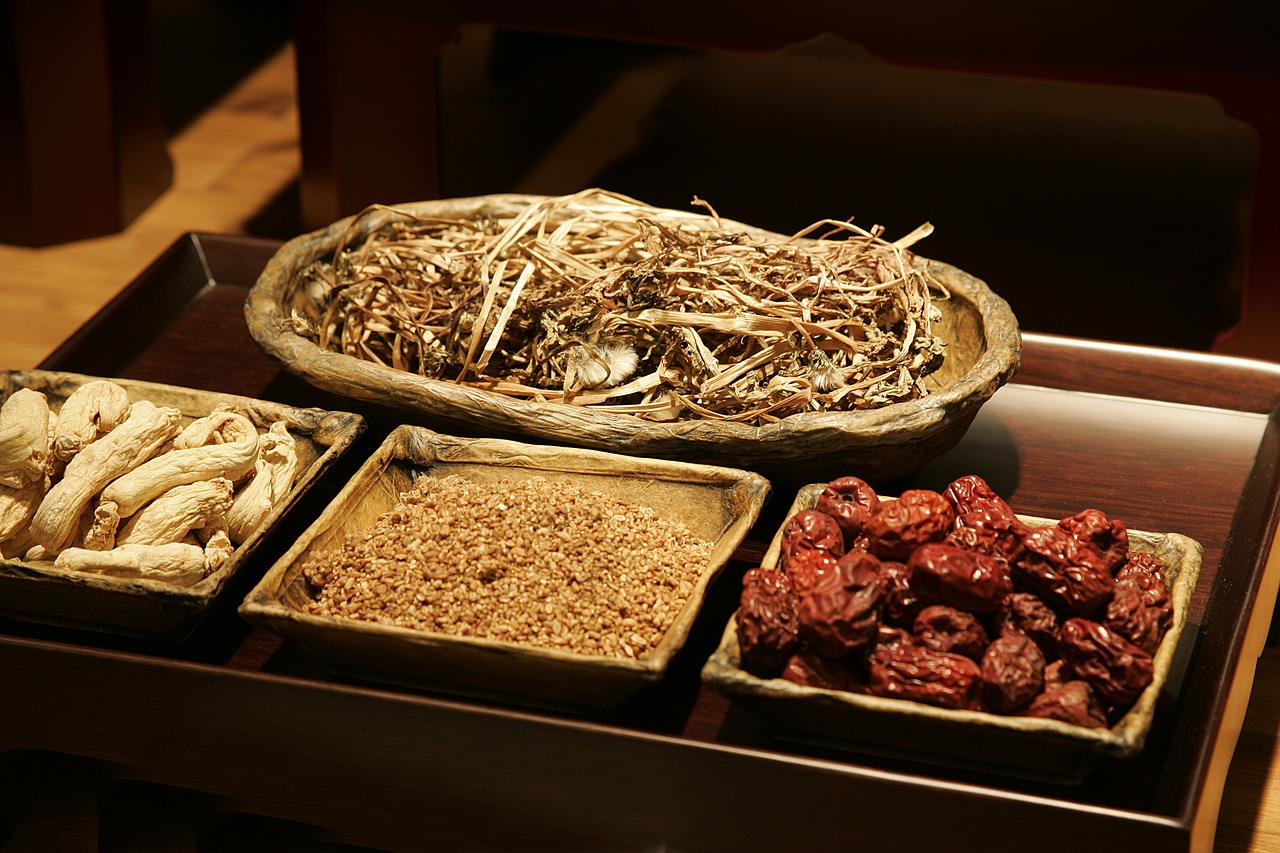
The fruit and its seeds are used in Chinese and Korean traditional medicine where they are believed to alleviate stress and traditionally for anti-fungal, anti-bacterial, anti-ulcer, anti-inflammatory purposes, sedation, antispastic, antifertility/contraception, hypotensive and antinephritic, cardiotonic, antioxidant, immunostimulant, and wound healing properties. It is among the fruits used in traditional Chinese Medicines.
From the Me and Qi website (https://www.meandqi.com/), who promote and sell products based on traditional Chinese medicine, they use Jujubes for a range of preparations
In Traditional Chinese Medicine, jujube dates are plants that belong to the 'Tonic herbs for Qi Deficiency' category. Tonic herbs are used for patterns of Deficiency, when one lacks one of the 'Four Treasures' (Qi, Blood, Yin and Yang). Qi tonics are typically sweet and they tend to enter the Spleen and Lungs because these organs are most involved with the production of Qi.
In Traditional Chinese Medicine, jujube seeds are plants that belong to the 'Herbs that nourish the Heart and calm the Spirit' category. These herbs are substances that tranquilize the mind and treat symptoms such as restlessness, palpitations, anxiety or insomnia. They tend to have sedative properties by tonifying Heart Yin and Blood as in Traditional Chinese Medicine it is believed that the Heart is the store of the mind.
Ziziphin, a compound in the leaves of the jujube, suppresses the ability to perceive sweet taste